Hi, I’m Joe. I look after Foundation.
Foundation started at ZURB in 2011. I picked it up in 2013, built a business on it, and have looked after it since 2019. Here is how that happened, and where it is going next.
The rest of what I do is at joeworkman.net.

A Sass decision, and what it led to
In 2013 I was choosing a framework for the tools I build for web designers. Most of the field had settled on Less. Foundation was written in Sass, which I thought was the better language, and that one preference chose the framework I would spend the next decade with. I built Foundation Stacks and Email Stacks on top of it, drag-and-drop builders that let designers who had never written a line of Foundation markup ship Foundation sites and newsletters. A business grew on the framework, and so did a reason to care whether it stayed healthy.
Fast forward to 2026. The browser now does on its own most of what Foundation’s Sass and JavaScript used to do for it: layouts that answer to their container, native dialogs and popovers, dark mode in one line of CSS. And a good share of the markup on the web is now written by AI agents. Yeti and Inky are rewrites from scratch for that web, new architecture rather than another major version of the old code, built to be read by people and by agents alike. Every attribute has a fixed vocabulary, and each project ships its own llms.txt.
Where it came from
-
ZURB open-sources Foundation. The framework an agency built for its own client work goes public, as one of the first responsive front-end frameworks.
-
I pick a side. Sass over Less, and Foundation is the Sass one. I start building on it.
-
Certified, and Foundation Stacks ships. A drag-and-drop builder for Foundation for Sites, with Email Stacks following for Foundation for Emails. A business now depends on the framework.
-
A visit to the ZURB offices. Campbell, California. The selfie is the only photograph I have from that day.
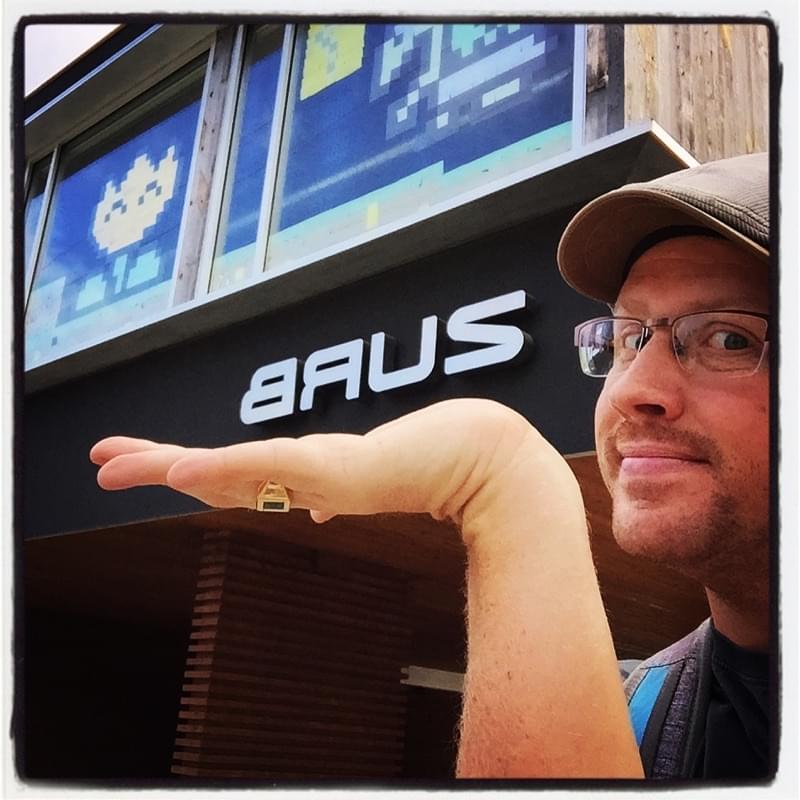
Outside ZURB, 2015. -
ZURB hands the project over. They wanted it in the hands of someone who needed it to keep going, and I did. I said yes.
-
Yeti and Inky, rewritten from scratch. CSS-first, zero build, and legible to the agents that now write alongside us. Proton, the static site compiler, joins them; this site is built with it.
Foundation for Sites 6 is not going anywhere. It lives on the
v6branch, keeps getting bug fixes, and thefoundation-sitespackage keeps publishing 6.x. The whole plan is in the announcement.
Say hi
The code is on GitHub, where issues and pull requests are read and answered. For anything else, joeworkman.net has the ways to reach me, and @foundationcss carries the release news.